






Description
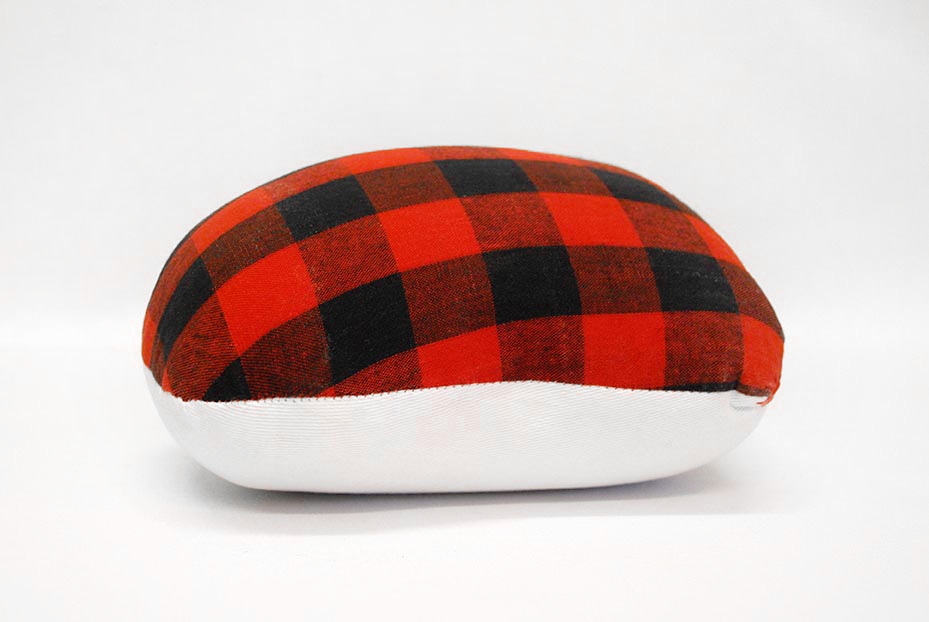
Original sawdust filling for perfect pressing of all body seams and curves in tailoring and quality dressmaking!
A tailor’s ham is the first pressing tool you should buy after your ironing board and iron. Most women’s garments have some sort of curved seam and you’ll need a pressing tool that mimics different body parts.
Use our Tailor’s Pressing Ham to shape darts, shoulders, collars, hip curves and bust fullness. The curved edges of the Tailors Ham conforms to the body shapes in garments, making it ideal for pressing curved seams, sleeve-heads and shaping collars.
The tailors ham is covered with strong twill cotton and durable wool/acrylic mix.
Taylor’s


 We’re thrilled to announce that we’ve partnered with Tree Nation, the platform to reforest the world & fight climate change! Home to over 90 planting projects in 33 countries, Tree Nation is a non-profit organisation that helps people & companies offset their CO2 emissions.